Women fighting against the dehumanization of childbirth in Colombia
In Colombia’s Pacific region, thousands of women have been transmitting their knowledge regarding child delivery assistance from generation to generation.
They are the traditional midwives, real community leaders whose way of humanizing child delivery
has made them become Colombia’s Intangible
Cultural Heritage.
Their training begins at a very early age, never stop learning and are always ready to assist any birth emergency no matter the time. However, despite local and national acknowledgement, their work is barely paid so those women, usually heads of family, have to juggle midwifery with other jobs.
Pacha Pasmo, María Brígida, Melfis, Liceth Quiñones, Doña Choa and Daily are Afro-Colombian women
of different generations who fight to preserve the traditional practices of midwifery and adapt them to our times.
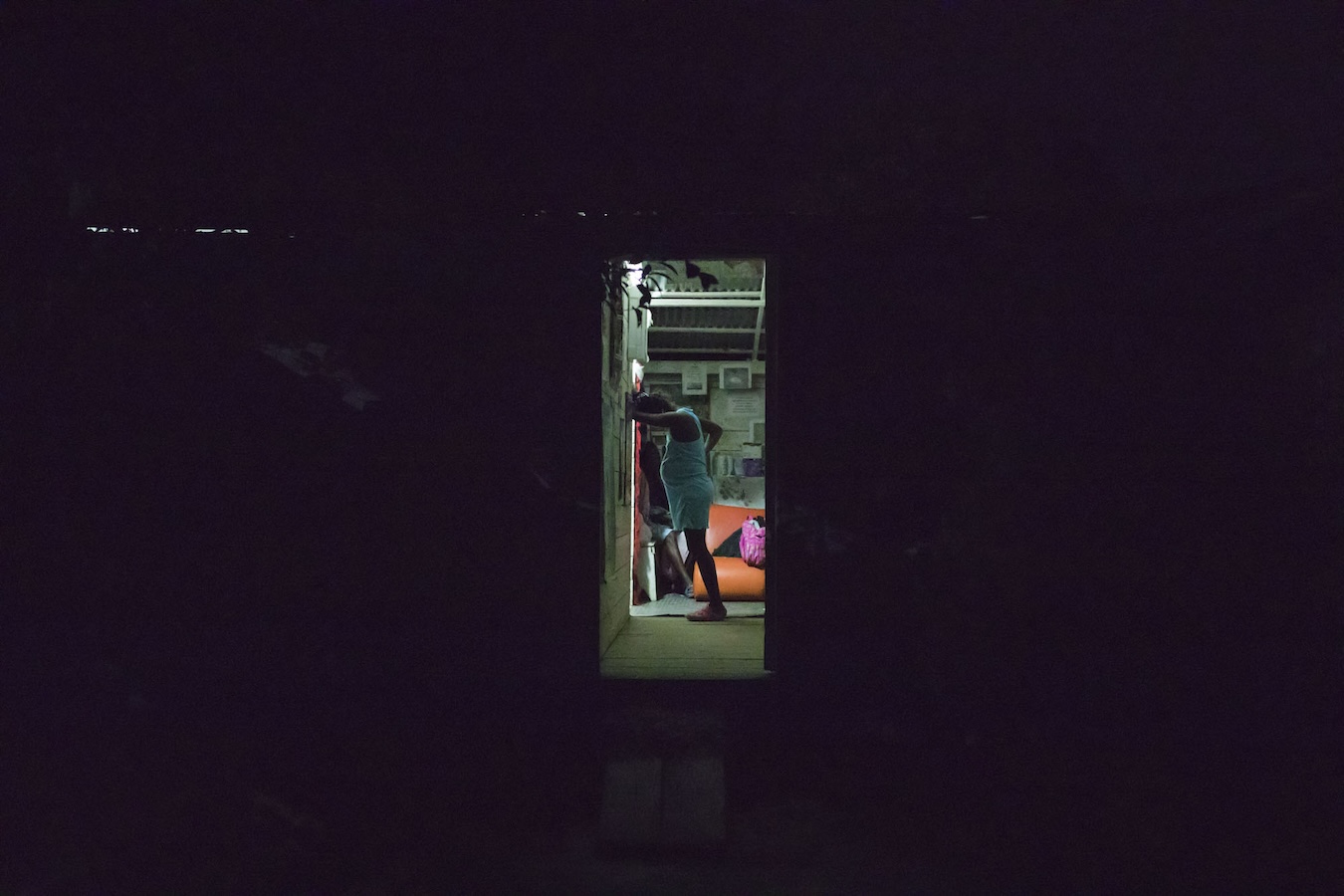
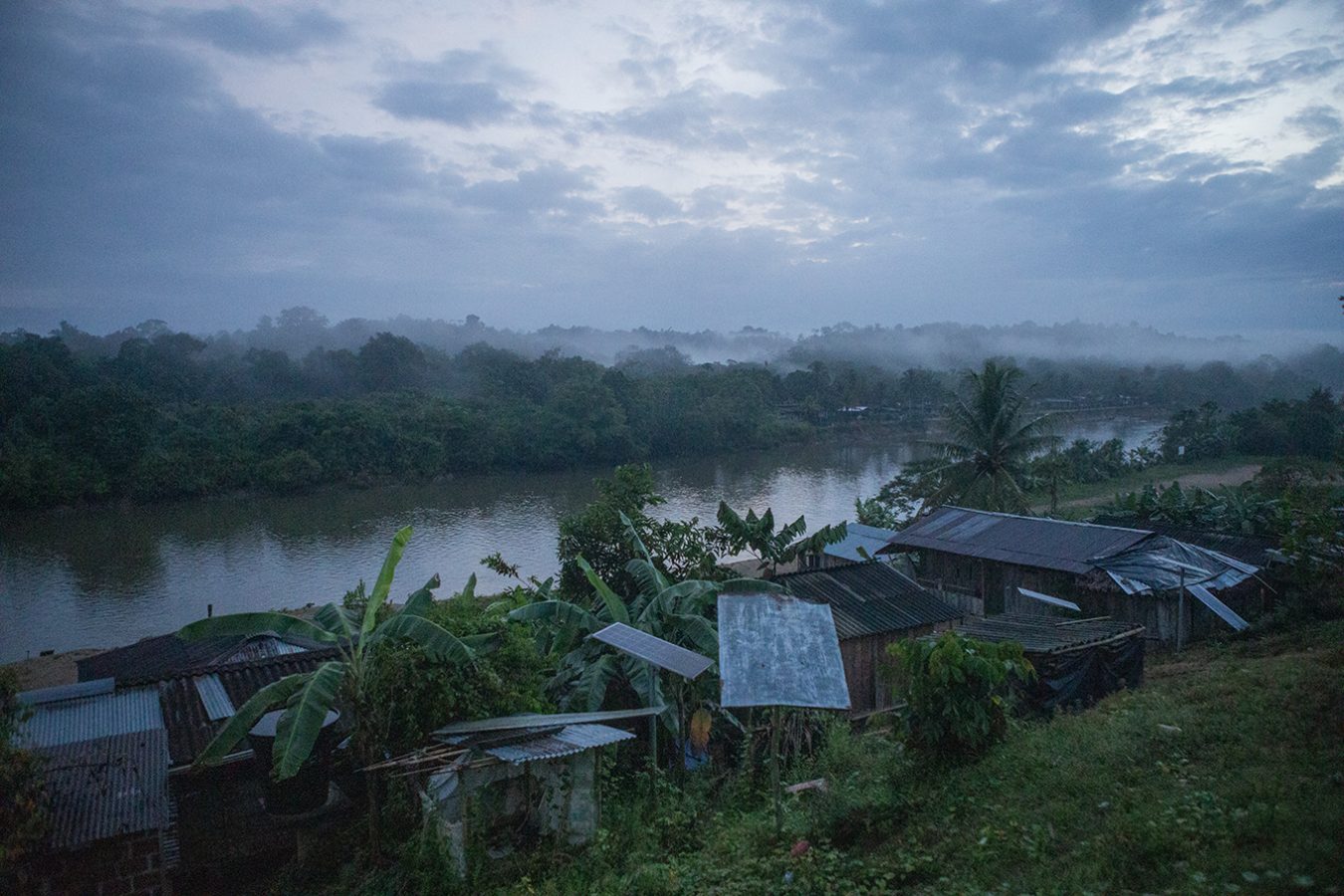
Santa Rosa de Guayacán Indigenous Humanitarian Reserve, located on the banks of the Calima River in the Cauca region, one of the areas most affected by violence in Colombia.
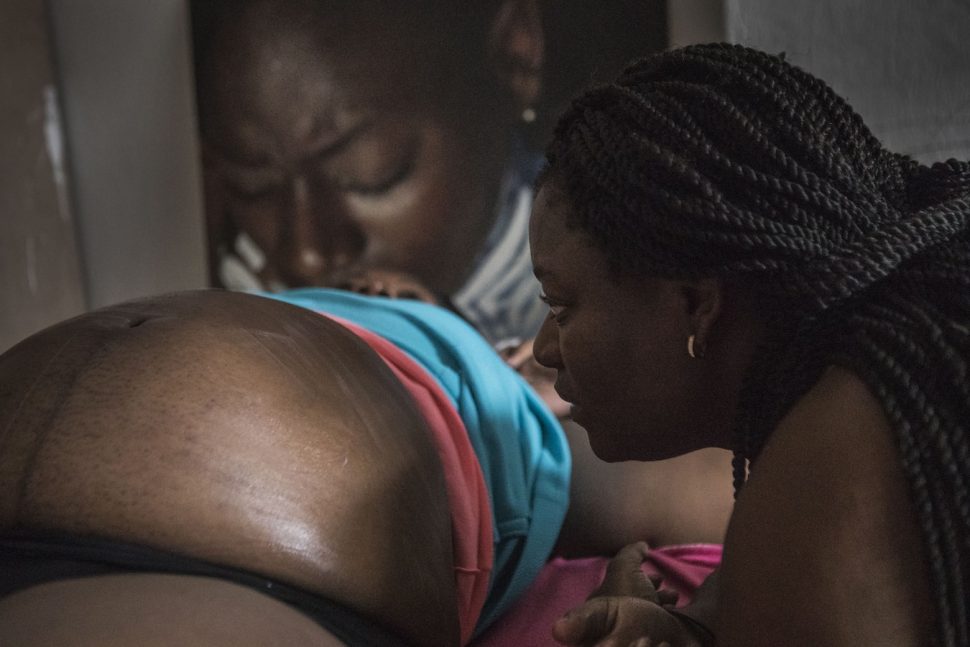
Liceth Quiñones, a traditional midwife and director of the Association of United Midwives of the Pacific (ASOPARUPA), explores one of the women who is about to give birth in her traditional niche, a place that traditional Colombian midwives usually have in their homes.
-
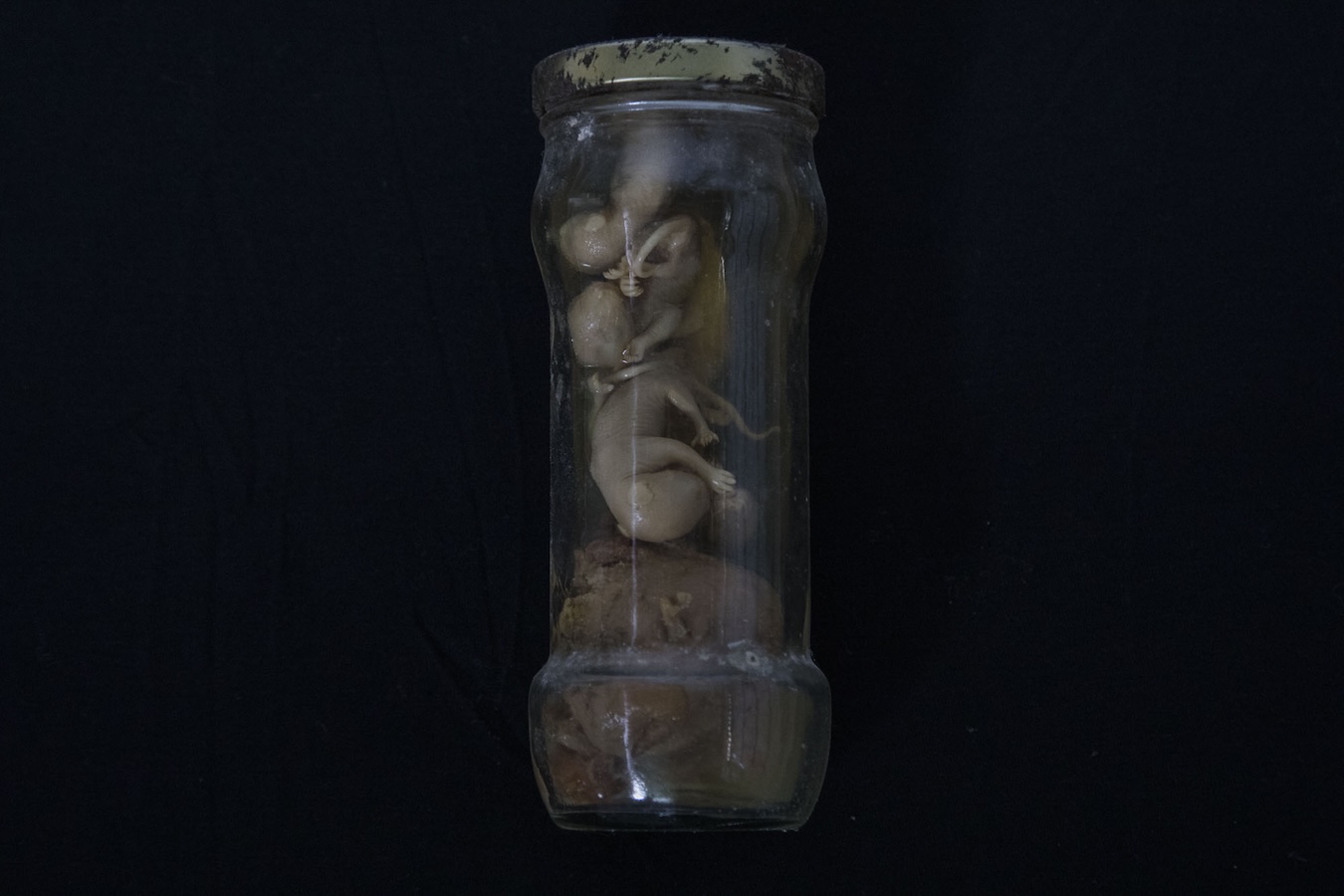
The "Chucha" it is considered a symbol of fertility, pregnant woman and childbirth. -
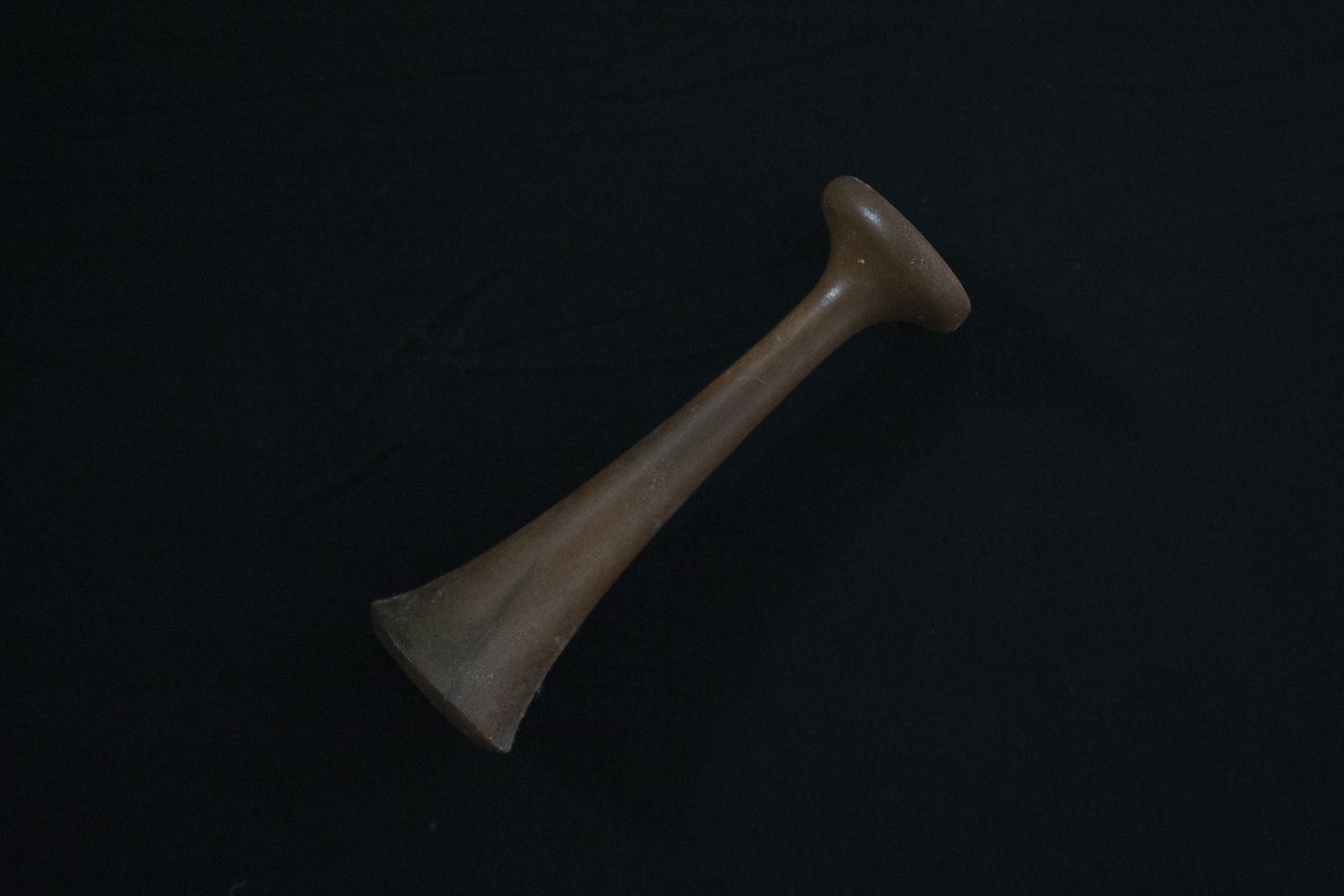
Pinard Stethoscope
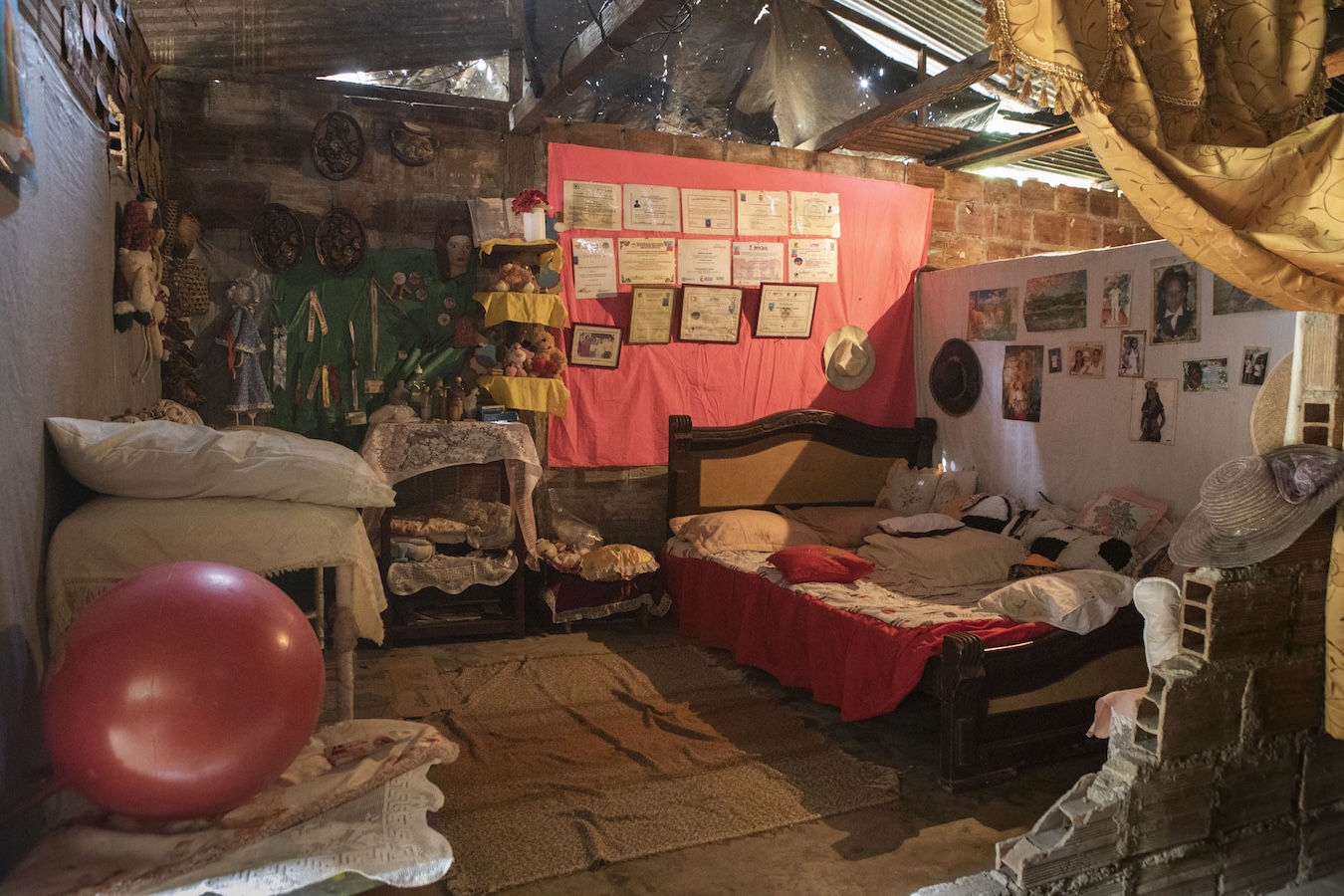
Traditional Choa niche, this is where the midwife cares for the women who come to her. It is also where she attends all births.
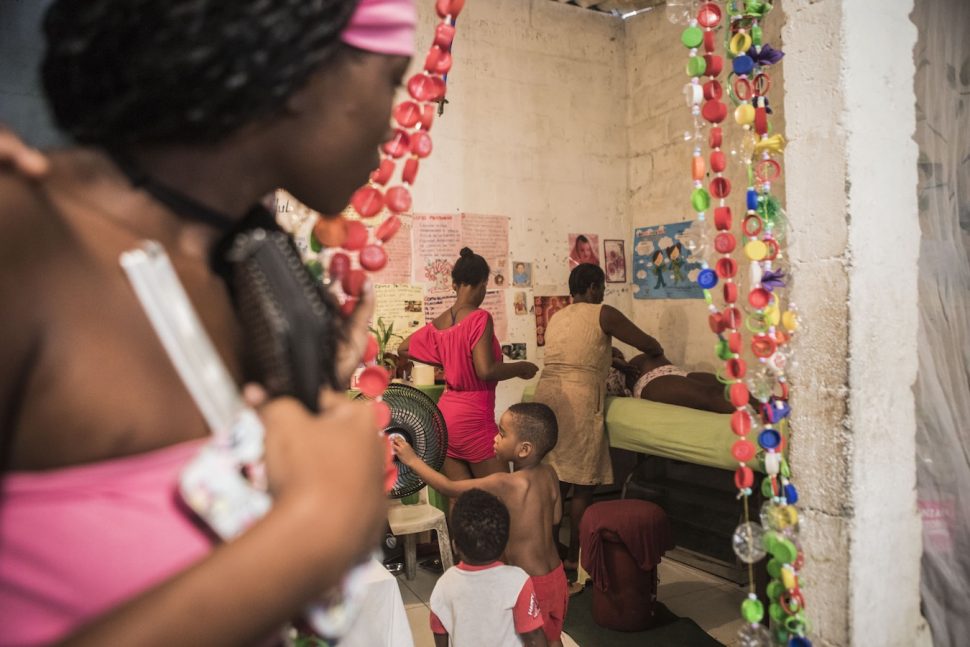
He has seen everything; from clandestine pregnancies in FARC camps to miscarriage s in hermetic families whose religion prohibits them from going to the hospital. Everyone trusts her. Everyone knows her. Everyone greets her.
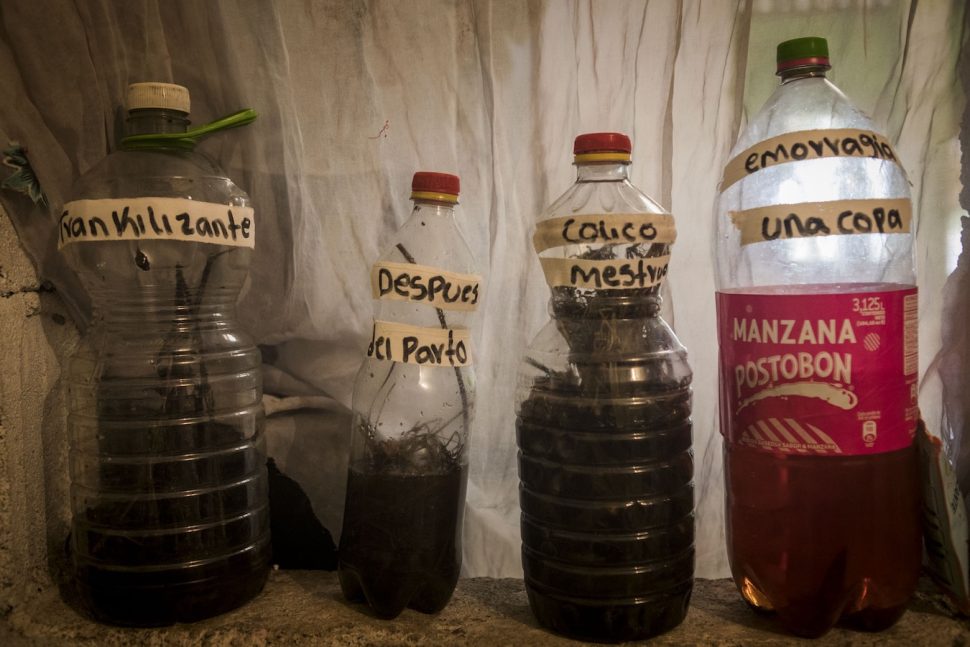
Herbal preparations for after childbirth, for colic, for hemorrhages. Maria Brigida’s secret recipes rest in reused bottles on the windowsill.
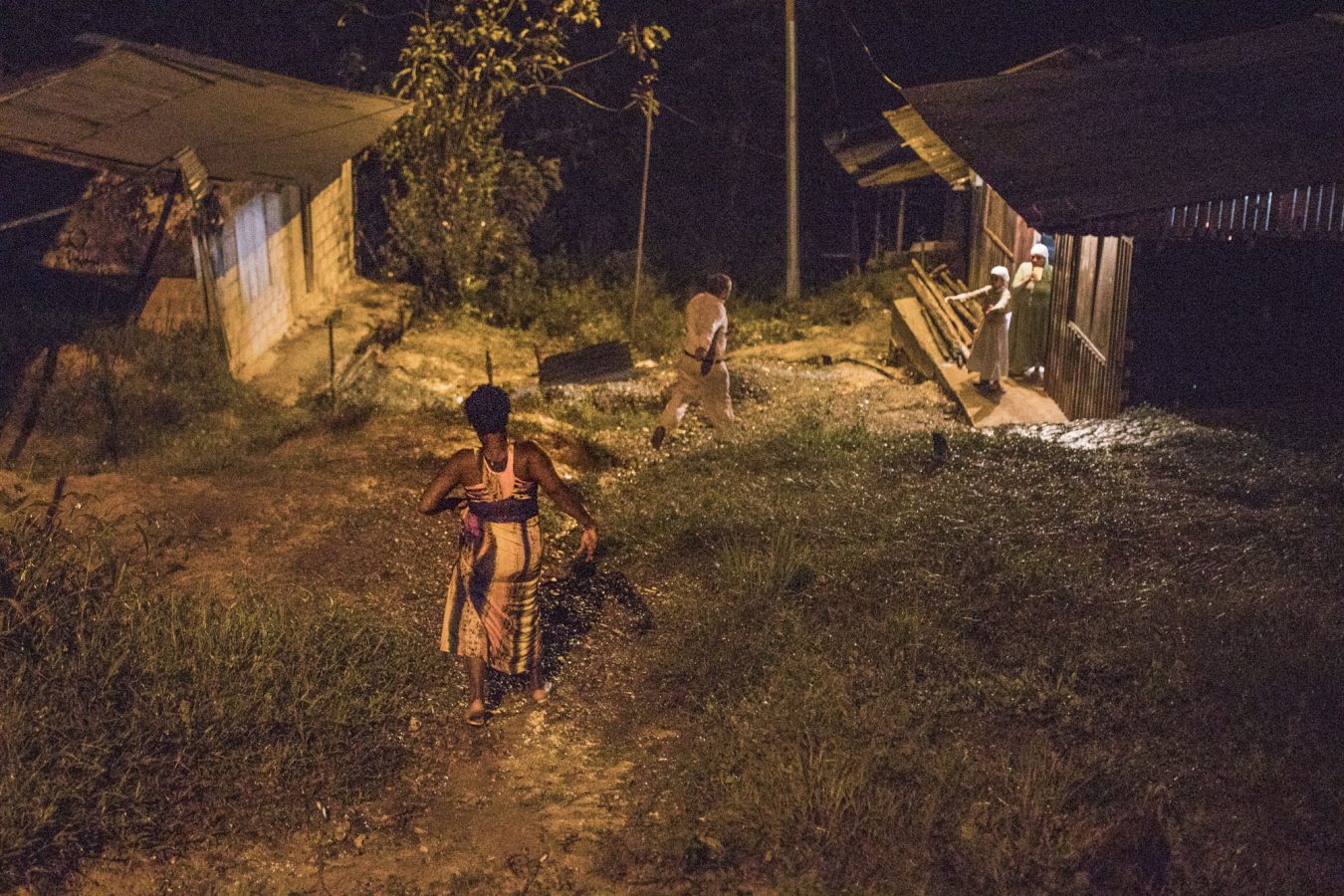
María Brigida runs to Adriana’s house, her husband Julián has knocked on the midwife’s door in the middle of the night because his wife has started bleeding. Julián and Adriana belong to the “brothers of the Church of Jesus Christ” and cannot go to hospitals. María Brigida is the family midwife. Whenever something happens they go to her.
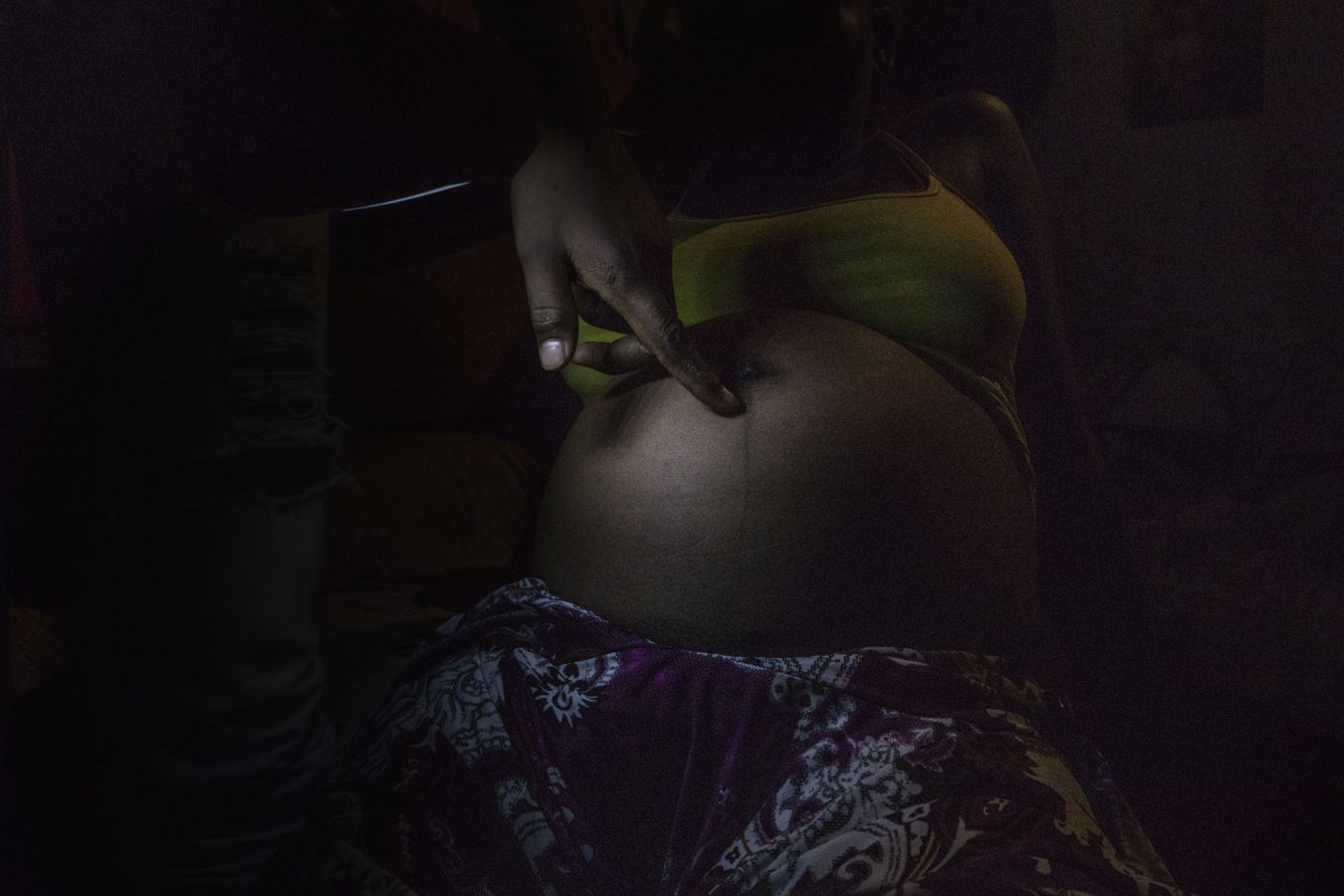
Daily, the granddaughter of midwife Doña Choa, shows the line, located just below the navel, that she says indicates that the baby is going to be a boy. Daily is a 17-year-old who aspires, like her grandmother, to become a traditional midwife. Daily attended her first birth at age 14.
-
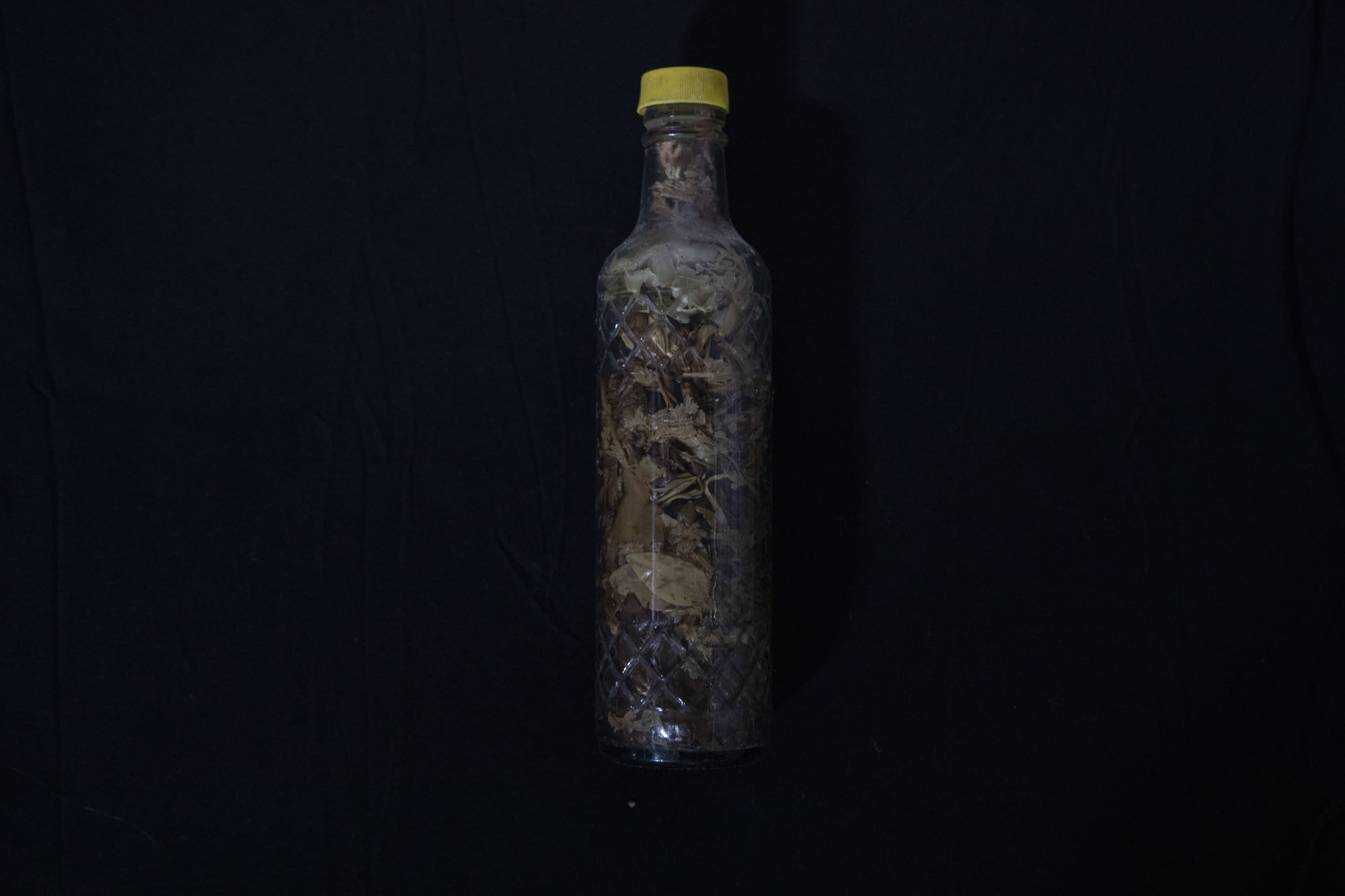
Herbal preparations for pregnant women. -
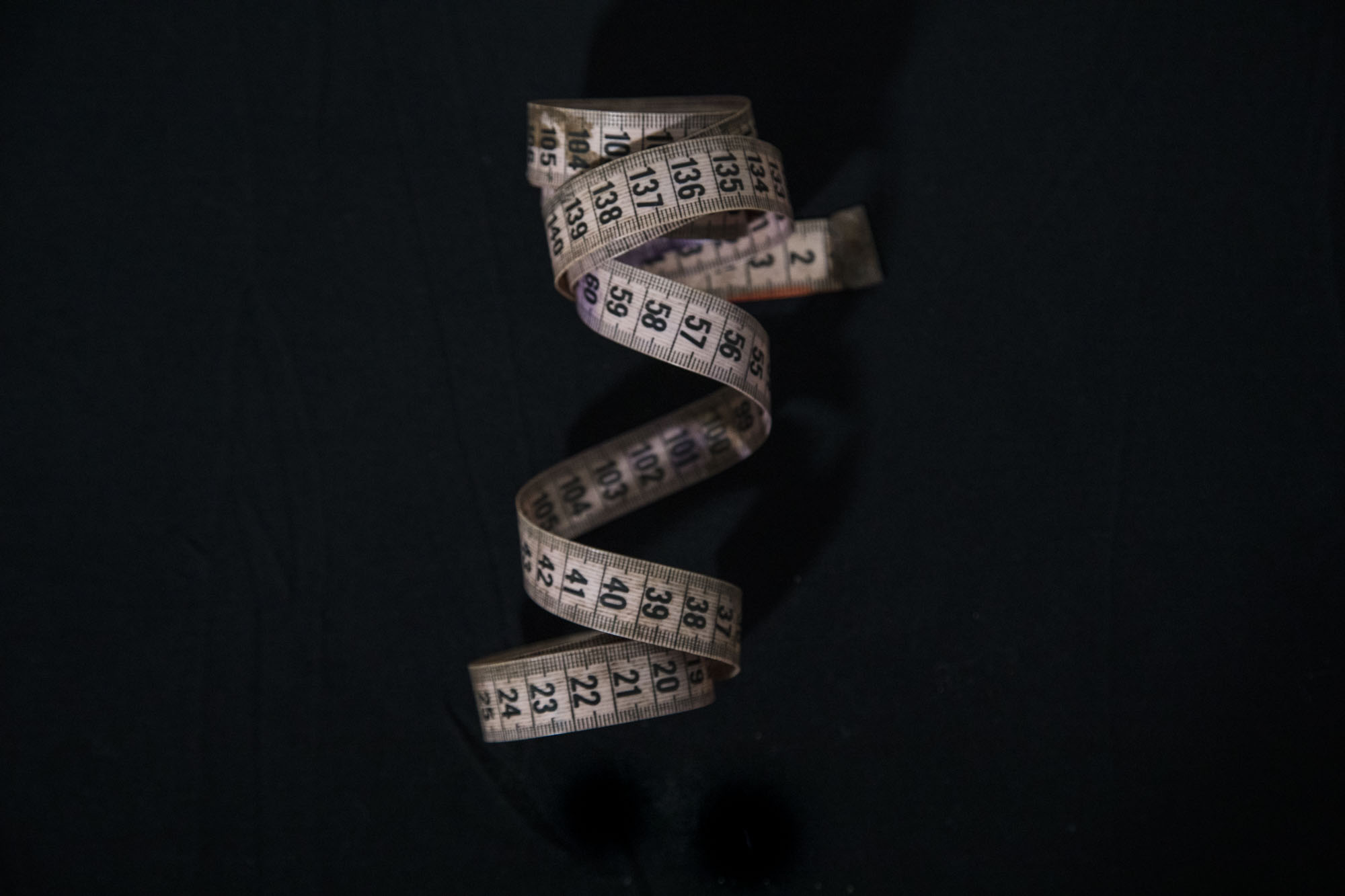
Measuring tape for the belly. -
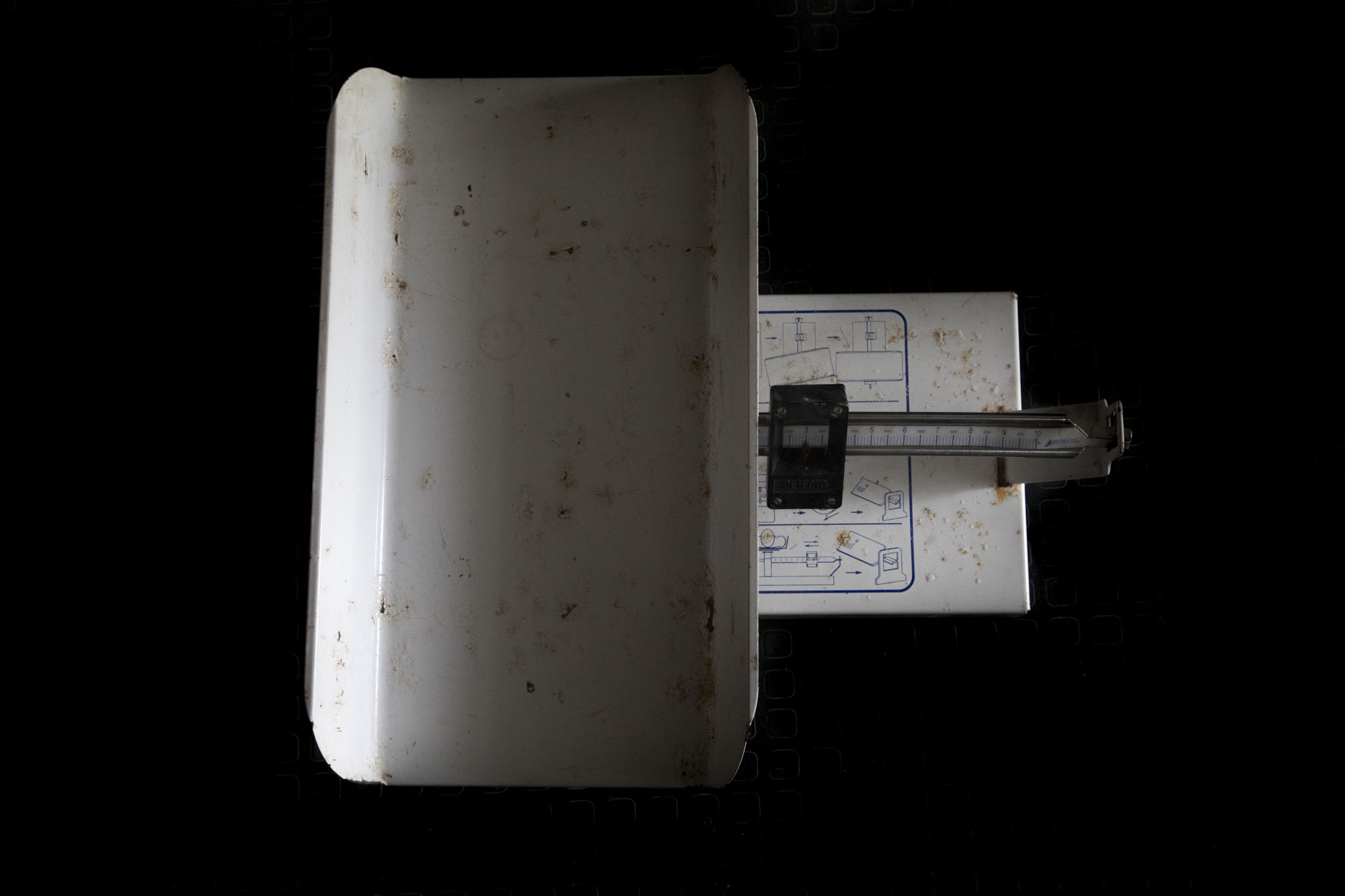
Scale for weighing newborns at Pacha Pasmo. -
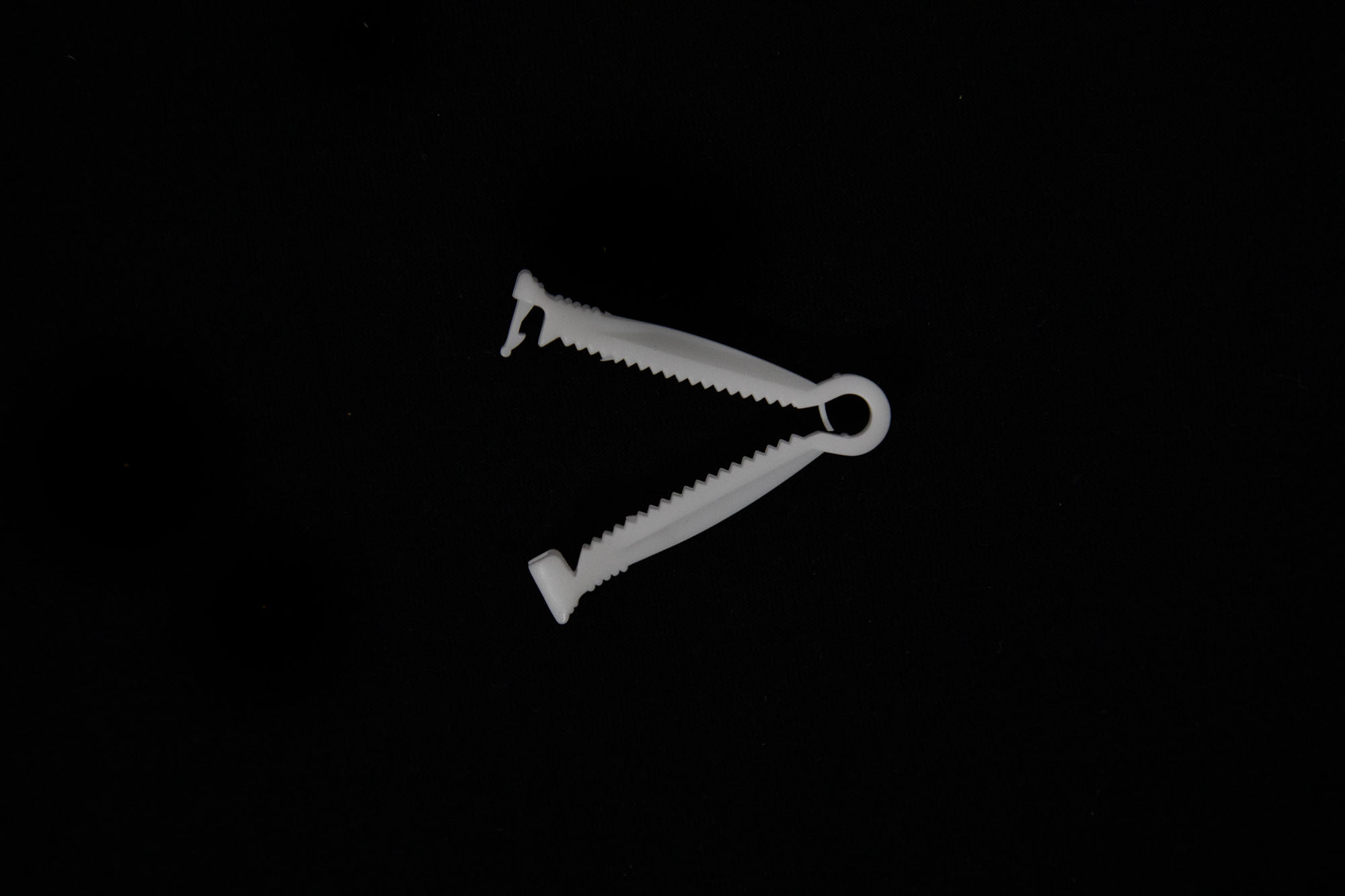
Umbilical cord clamp.
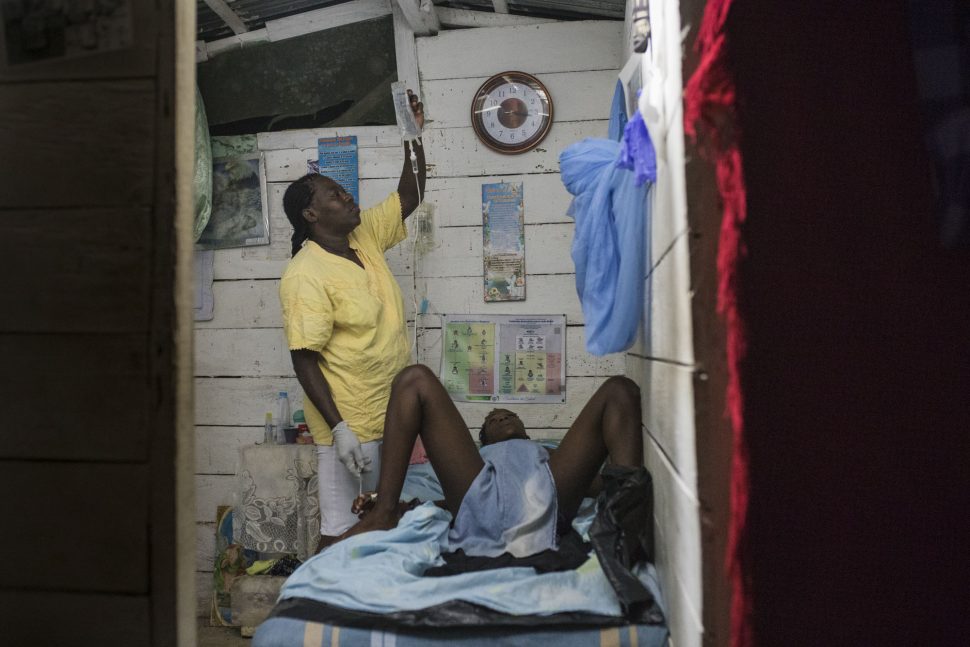
Pacha Pasmo is one of the best known midwives in the Chocó department in Colombia. You arrives to her house by asking to the people; everyone knows where Pacha lives. She has attended more than 7000 deliveries. Women come to her not only to give birth; they also look for remedies for menstrual pain at home; for womb problems and even remedies to help couples’ fertility.
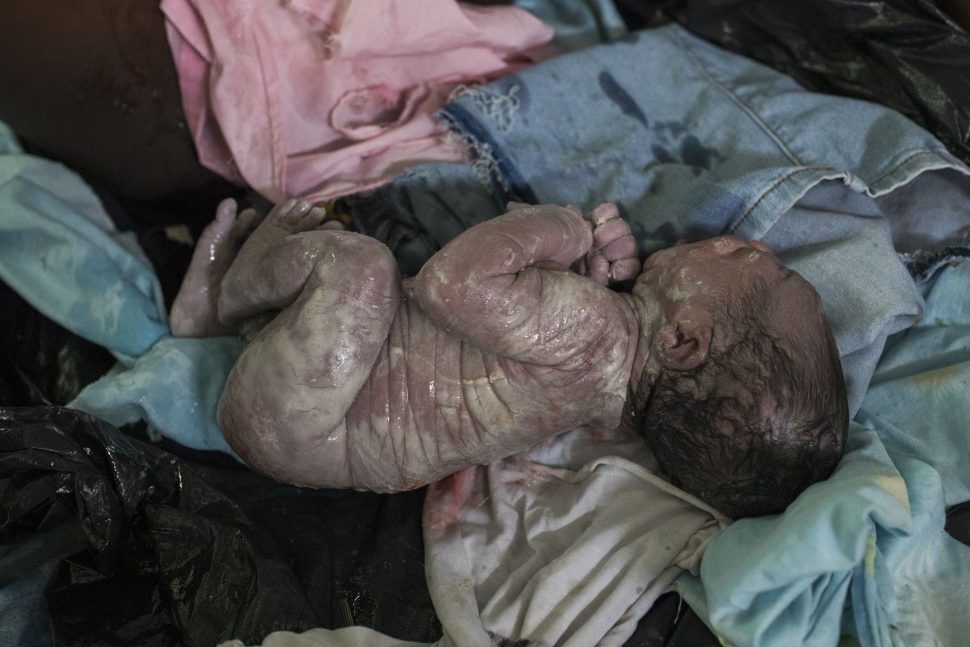
Wilson born on April 4th 2018, he is Marcela’s first son. Pacha Pasmo the most famous midwives of Istimna attended Wilson’s birth in her traditonal nest.
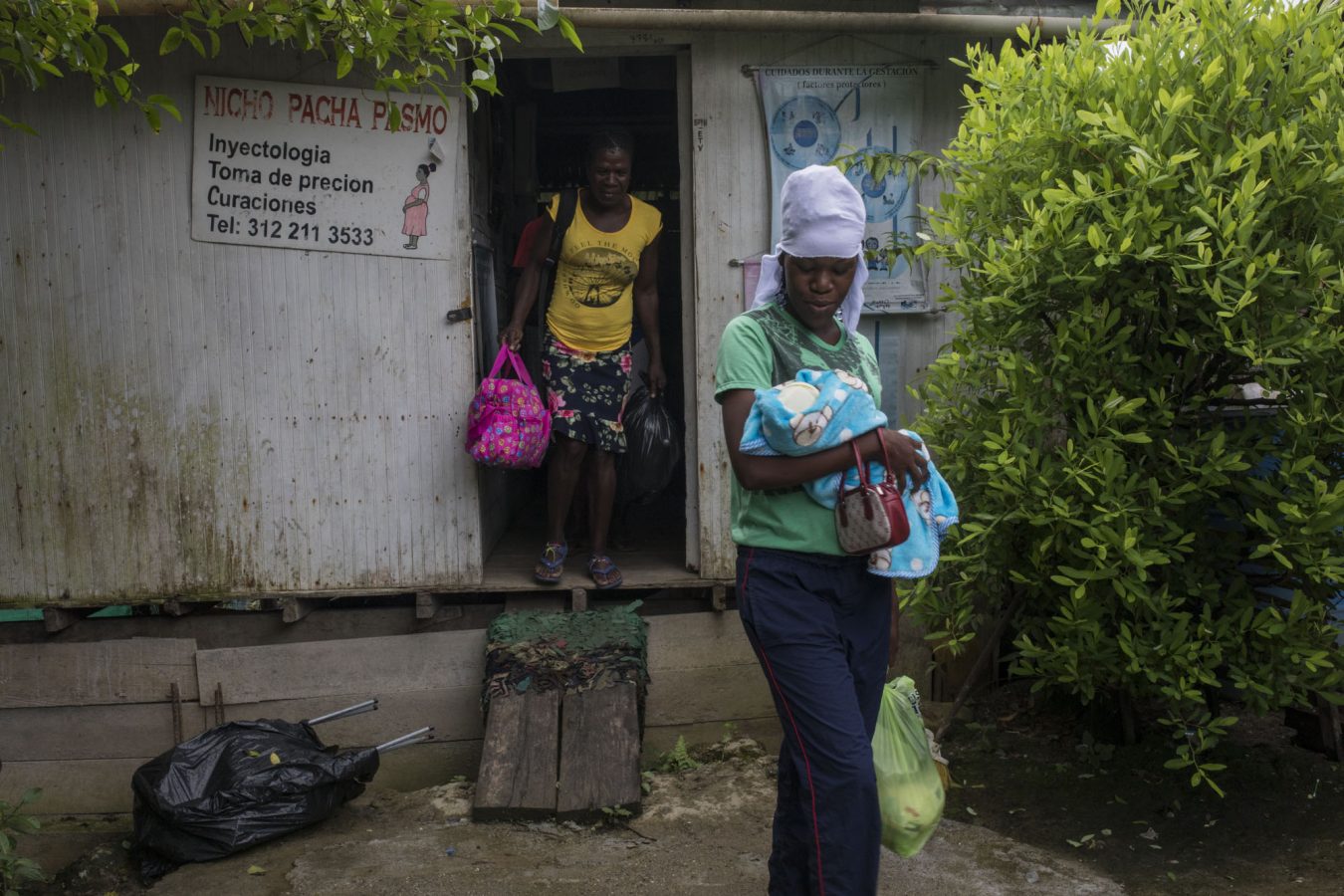
After 2 days in Pacha Pasmo’s “nest”. Marceloa is going to her home with Wilson and her mother.